
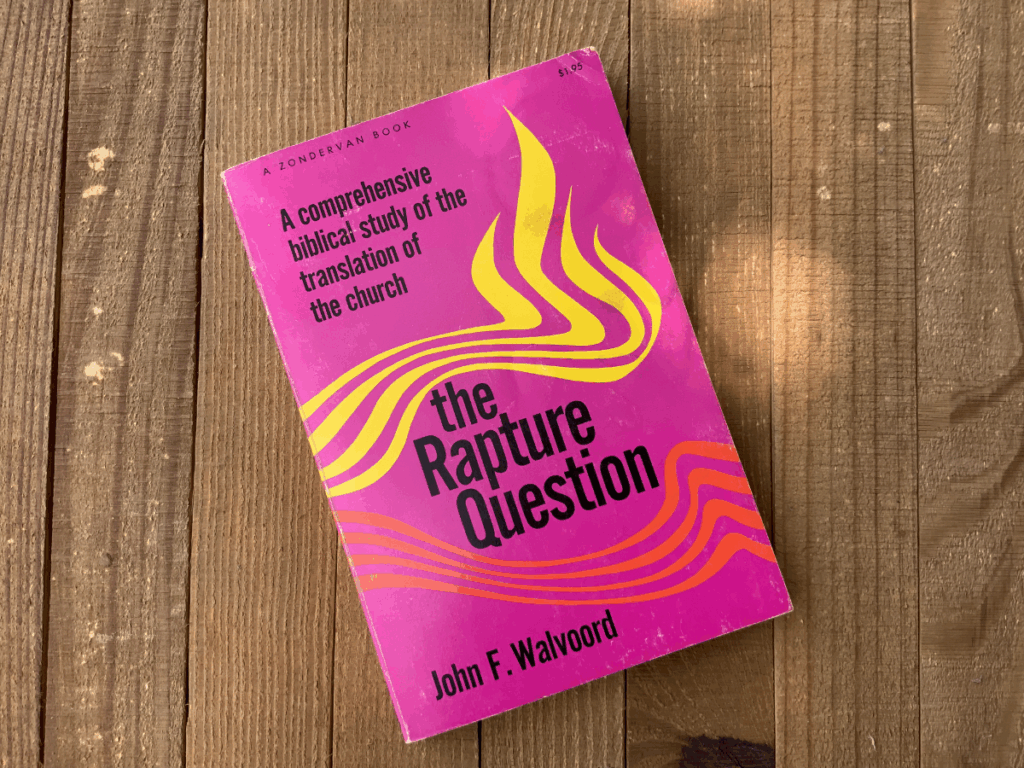

WHY I RECOMMEND THIS BOOK: Clear distinction between the Rapture and the Second Coming. Alignment of prophecies concerning events surrounding each resurrection. Book was originally recommended by Bro Chuck Missler.
From the back cover: “This volume is the product of twenty years of research and classroom discussion in the field of eschatology. It is designed for lay reading as well as scholarly research.”
In my reviews of books by Christian authors I’m always fond to note how they distinguish different discussions, or sides, of Bible interpretation based on whether a specific party holds a literal or less-literal interpretation of Scripture.
A Clear, Biblical Study of the Rapture and Second Coming
This literal vs less-literal viewpoint is especially vital when contrasting WHEN the Rapture is to occur. A Pre-Tribulation position, based on a literal interpretation of prophecy, puts the Rapture before the Tribulation. Other positions like post- and mid-tribulation set the stage for a church that experiences some or all of the Great Tribulation.
Book Contents:
(continued:)
(continued:)
Argument for Posttribulational Resurrection 152
Argument from Terminology for the Return of Christ 155
The Parable of the Wheat and the Tares 158
The Day of the Lord 160
The Restrainer of 2 Thessalonians 2 163
Doctrine of the End. 165
Doctrine of the Rapture 166
Summary 169
XII. Midtribulationism 171
Definition of the Theory 171
Important Issues 172
Does the Seventh Trumpet of Revelation Begin the Great Tribulation? 172
Is the Rapture of the Church in Revelation 11? 177
Is the Seventh Trumpet the “Last Trumpet” for the Church? 182
Do the Programs for Israel and the Church Overlap? 186
Is the Hope of the Imminent Return of Christ Unscriptural? 186
Conclusion 188
XIII. Fifty Arguments for Pretribulationism 191
Historical Argument 192
Hermeneutics 192
Nature of the Tribulation 193
Nature of the Church 194
Doctrine of Imminency 195
The Work of the Holy Spirit 196
Necessity of an Interval Between the Rapture and the Second Coming 196
Contrasts Between the Rapture and the Second Coming 198
Index to Scriptures 201
Honestly and objectively speaking, I know of no single believer who would ever hope for anything other than a Pre-tribulation rapture. And it’s wonderfully rewarding to see that a literal interpretation of Scripture reinforces that same hope.
When you first begin learning about the Rapture, it’s important to delineate the difference in Scriptural references that deal with the Second Coming. Same goes for understanding the differences in pre-, mid- and post-tribulation theories.
Many a cult and several mainstream denominations wax over these and unfortunately combine the two or even worse.
This is not good.
Comparing Rapture Views and Strengthening Confidence in Christ’s Return
Walvoord looks at competing theories and specifically notes what must be happening in each. That’s no small achievement considering that at the removal, or rapture of the church, there needs to be agreement between many doctrines including the study of the tribulation, the 70th week prophecy of Daniel, the prophecies of Paul and the literal study of Revelation, along with a clear understanding of the separation of the church from Israel.
And it’s a game of whackamole when things don’t align. Walvoord’s analysis of the different tribulation positions and erroneous rapture theories exposes many weaknesses by providing scripture to the contrary. The case he builds for a literal, pre-trib translation of the church is compelling and well-supported.
BONUS: Has a scripture index.
Related Books on Prophecy:
The Bible Foretells the End: Things to Come, by Dwight Pentecost
Clarity on Daniel’s 70 weeks prophecy: The Coming Prince, by Sir Robert Anderson
The Conclusion of History: 35 Simple Studies on the book of Revelation, by M.R. DeHaan
This review was part of my 9 Lifelong Bible Companions Series. See related recommendations.
Rabbit Hole: Bro Chuck Missler has a two-part video series on the Rapture. In fact, he recommends this very book in one of them. He also provides an itemized list of delineating verses, contrasting the Rapture with the Second Coming.
Part I Rapture Study: https://www.youtube.com/watch?v=-lVcN9vsCbQ
Part II Rapture Study: https://www.youtube.com/watch?v=wdufyUUfRmk
The Rapture Question, by John Walvoord